
The Room Two
Fireproof GamesPuzzle
4.929.87K Reviews
- Version
- 1.13
- Installs
- 1.00M
- Age Rating
- Everyone
Screenshots
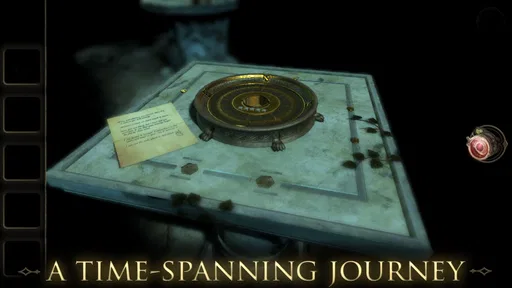
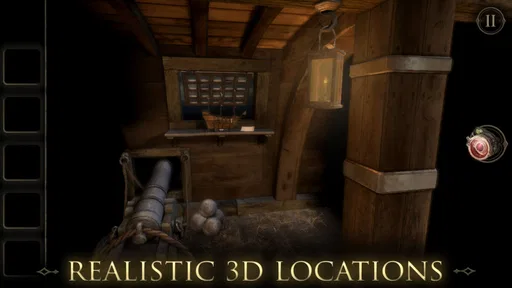
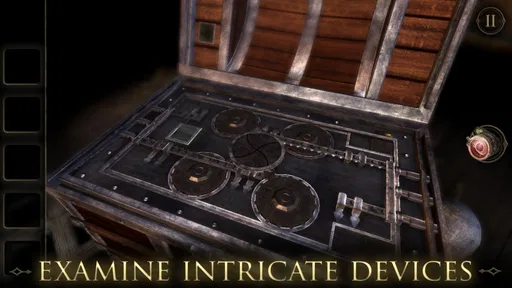
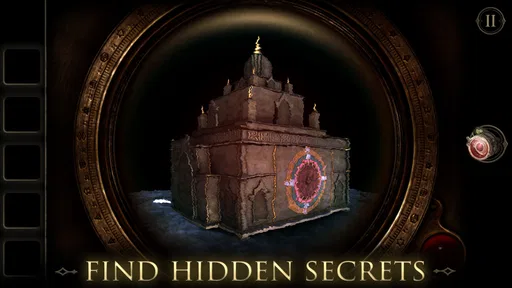
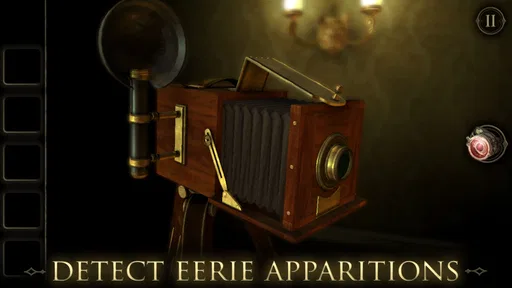
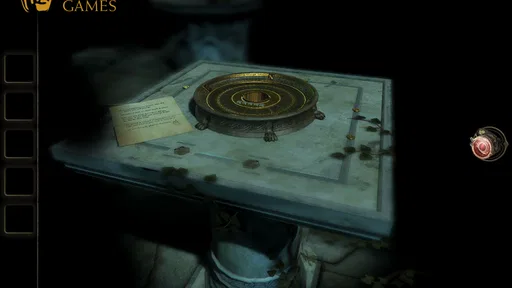
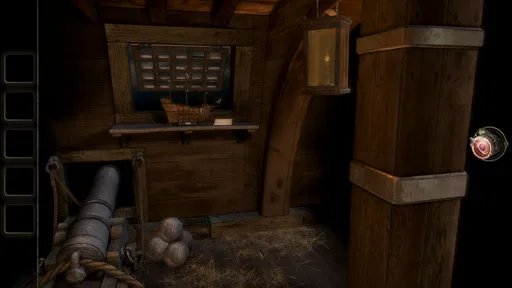
Our Review of The Room Two
 Analysis by Appyee
I judge puzzle games by how well they make me notice things, not by how quickly they let me clear a level. That is where The Room Two makes its case: it asks for patient attention, and its objects reward a closer look. Fireproof Games built this as a paid puzzle game rather than a quick distraction, so I’d approach it as something to settle into, ideally when you have a little uninterrupted time.
What the pace feels like
The game’s speed is less about rapid movement than about how quickly you can read a mechanism. I found that a short session can still feel satisfying if I make progress on one object, but the puzzles are designed to encourage lingering: inspect a surface, test a moving part, then reconsider what a clue might mean. If you want constant action or a stream of small rewards, this measured rhythm may feel slow. If you like the moment when a confusing object suddenly makes sense, the deliberate pace is part of the appeal.
A useful way to play is to separate looking from guessing. I first rotate an object and check its edges, seams, and visible markings, then try only the interactions that seem to fit what I’ve found. That keeps the experience from turning into random tapping and makes each discovery feel earned. The game is still welcoming to newcomers, but it suits players who enjoy careful observation more than reflex challenges.
When a puzzle holds you up
The busiest moments are the ones where several clues appear to belong to the same mechanism. It can be tempting to keep trying every combination, especially when a panel almost seems to respond. I get more out of stepping back, revisiting the object from another angle, and asking what the game has actually shown me. That small pause is often more useful than repeating the same interaction. It also makes the puzzles a better fit for a calm evening than for a few distracted minutes between tasks.
For a realistic routine, I’d play a chapter or a short stretch after dinner, put the phone down when I stop making thoughtful progress, and return with fresh eyes later. Because the game asks you to keep track of visual clues, playing while watching television or answering messages can make a puzzle feel harder than it is. A quiet setting is not essential, but giving the screen your attention makes the object work easier to appreciate.
Reliability and playing comfortably
I would not treat a puzzle game like this as a performance test for a device. The experience is built around inspecting scenes and manipulating objects, not racing through busy action. Still, older or less capable phones can make detailed visuals less comfortable to examine, and touch controls always depend on having enough room to move accurately. If an interaction feels awkward, I’d try changing how I hold the device and making deliberate, short gestures instead of swiping quickly.
The game is listed at version 1.13 and requires Android 6.0 or later. It costs $1.99, carries an Everyone age rating, and was released on February 13, 2014. I’d check that the device meets the operating-system requirement before buying, then make sure I have a comfortable way to play: a larger screen can make small details easier to inspect, while a phone is convenient for picking up a puzzle during a quiet break. I can’t promise identical smoothness on every device, so I’d avoid assuming that visual complexity means every older phone will feel equally responsive.
The Mysterious Allure
From the moment you start The Room Two, you’re greeted with an atmosphere that’s heavy with intrigue. The game plunges you into a series of beautifully crafted rooms, each filled with complex puzzles that tease your brain and pique your curiosity. The graphics are stunning, and the attention to detail is evident in everything from the flicker of candlelight to the ancient text scrawled across dusty books.
The narrative unfolds gradually, drawing you deeper into its enigmatic storyline. You feel like a detective in a Victorian novel as you uncover clues and unravel the secrets hidden within each room. The immersive experience is enhanced by the haunting soundtrack, which perfectly complements the eerie visuals.
Gameplay Mechanics
The gameplay in The Room Two is a masterclass in tactile interaction. The controls are intuitive, allowing you to manipulate objects with ease. You’ll twist knobs, slide panels, and piece together intricate mechanisms, which makes you feel like a part of the game’s world. The puzzles range from moderately challenging to mind-bendingly complex, but they never feel unfair. Each solution provides a satisfying "aha" moment that keeps you coming back for more.
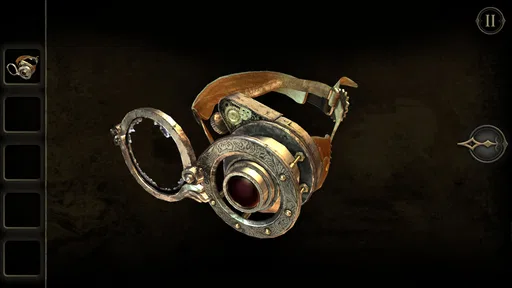
The game also introduces a few new mechanics that were not present in its predecessor, adding layers of depth and complexity. These include multi-dimensional puzzles and the use of a curious artifact that reveals hidden secrets when viewed through its lens. It's these little touches that keep the gameplay fresh and engaging.
How it fits beside other puzzle games
Compared with word puzzles, match games, or logic apps built around short rounds, this is a more tactile, atmospheric sort of challenge. Those alternatives are easier to dip into when you have only a minute and often provide a clearer sense of progress at a glance. Here, the pleasure comes from handling an object and discovering how its parts relate, so it is a better pick when you want to focus on one self-contained mystery rather than fill spare seconds with repeated rounds.
That distinction also helps set expectations about value. The one-time price is $1.99, and the game has an average rating of 4.9 from around 243,000 ratings, with over one million installs. Those figures suggest broad enthusiasm, but I’d still choose it for its particular style rather than its popularity: players who dislike slow inspection or eerie presentation may prefer a brighter, faster puzzle game. The Everyone rating makes it suitable across age groups, though the patient, detail-led play is what will determine whether someone enjoys it.
Small habits that make the puzzles easier
One non-obvious advantage of the object-focused design is that the clues are easier to reason about when you treat each room like a physical workspace. I keep the currently relevant object in view, inspect it fully before moving on, and mentally connect markings to nearby mechanisms rather than assuming every clue belongs to the first locked part I see. When I reach a dead end, I retrace the last change I made: remembering which part moved can be more useful than starting over with random taps.
The artifact’s lens is another reason to slow down. I use it as an inspection tool, not as a button to press everywhere without thought; a deliberate sweep across a suspicious surface is more informative than repeatedly activating it in the same spot. This makes the mechanic feel like part of the investigation instead of a routine. It also gives players who are stuck a practical next step: revisit the details that looked unusual, then check them through the lens.
Who should make room for it
I’d recommend it to someone who likes solving mechanisms, studying atmospheric environments, and being allowed to work at their own pace. It can also suit a shared couch session: one person can manipulate the objects while another watches for patterns, as long as both enjoy talking through possibilities rather than rushing to a solution. The game’s gradual story gives that kind of relaxed collaboration something to follow, even when neither player knows what the next clue means yet.
I’d skip it if you mainly want competitive play, frequent action, or puzzles that explain their rules immediately. It is also not my first choice for a noisy commute or a very short break, since interruptions make it easy to lose the thread of a clue. If you are deciding whether to begin with the original game, this sequel can be approached as its own puzzle experience, but returning players may notice the changes and get more from comparing how the interactions develop.
What to expect from a session
One practical question is whether it works for brief play or demands a long sitting. I think it supports both, provided you stop at a natural pause: a single mechanism can give a short session a clear purpose, while the connected rooms encourage longer stretches when you have time. I would not start a complicated puzzle just before needing to leave, though. The useful stopping point is after you have solved a step or noted what the next clue seems to suggest, rather than in the middle of testing possibilities.
Another question is whether the presentation gets in the way of solving. For me, the atmosphere helps the investigation, but the subdued look and sound are not universal strengths; anyone who prefers cheerful visuals or a brisk interface may find them too slow. Headphones can help bring out the quiet audio details, but they are a preference rather than a requirement. I’d use them when I want to focus, and play without them when the screen itself is enough to hold my attention.
Visual and Audio Experience
Let’s talk about the visuals for a moment. The Room Two is a feast for the eyes. The developers have really outdone themselves with the level of detail in the game’s environments. Each room is a work of art, meticulously designed to transport you to another time and place. The lighting effects are particularly impressive, creating an atmosphere that’s both inviting and unsettling.
The audio is no slouch either. The ambient sounds and subtle background music are perfectly orchestrated to enhance the mood without overpowering the gameplay. It’s the kind of sound design that makes you want to play with headphones just to catch every whisper and creak.
Final Thoughts
So, should you give The Room Two a try? Absolutely. Whether you’re a seasoned puzzle aficionado or a newcomer to the genre, this game offers something for everyone. Its combination of stunning visuals, immersive sound, and mind-bending puzzles makes it a standout in the mobile gaming world. Just be prepared to lose track of time as you delve into its mysterious corridors.
In the end, The Room Two is more than just a game; it’s an experience. One that lingers in your mind long after you’ve solved the final puzzle. So go ahead, download it, and see if you can unlock all of its secrets. Trust me, you won’t be disappointed.
Verdict
Strengths of The Room Two
- Immersive and intricate puzzles.
- Stunning graphics and atmospheric sounds.
- Intuitive touch controls.
- Engaging storyline with mysterious elements.
- Satisfying progression and challenge.
Limitations of The Room Two
- May be too short for some players.
- Requires a high level of concentration.
- Limited replay value after completion.
- Not suitable for casual gaming sessions.
- Some puzzles can be frustratingly difficult.
Other Releases by Fireproof Games
View All


Similar Picks in This Category
View All
Block Blast!
HungryStudio4.8

Braindom: Brain Games Test
Lahana Game Studio4.6

AMAZE!
CrazyLabs LTD4.6

Sudoku - Classic Sudoku Puzzle
Oakever Games4.7

Art Puzzle - Puzzle Games
Easybrain4.8

Amaze GO!
Oakever Games4.9
Frequently Asked Questions
What is the main objective of The Room Two?
The Room Two is a puzzle game that challenges players to solve intricate puzzles and unlock secrets by interacting with beautifully designed 3D environments. The main objective is to uncover the mysteries hidden within each room by solving complex puzzles and collecting clues that advance the story.
Is The Room Two suitable for all ages?
The Room Two is generally suitable for teens and adults due to its challenging puzzles and atmospheric settings. While there is no explicit content, the game’s intricate nature and darker themes might be less suitable for younger children, who could find the puzzles too complex or the atmosphere too intense.
Do I need to play The Room to understand The Room Two?
While The Room Two builds upon the story and mechanics of the first game, it can be enjoyed as a standalone experience. However, playing the original game can enhance your understanding of the narrative and provide a richer experience as you'll be familiar with the game's unique style and story progression.
What are the device requirements for The Room Two?
The Room Two requires iOS 5.1.1 or later for Apple devices and Android 2.3 or higher for Android devices. It's important to have a device with a good graphics processor to fully enjoy the game's detailed visuals and smooth gameplay. Ensure your device meets these requirements for optimal performance.
Does The Room Two offer any in-app purchases?
No, The Room Two does not feature any in-app purchases. Once you've purchased and downloaded the game, you have access to all its content, ensuring a complete and uninterrupted gaming experience without the need to spend additional money. This makes it a great value for puzzle enthusiasts.
Play our best games!


